
"Tanzanian Peaberry"
400 article(s) found

Tanzania Kilimanjaro Coffee Arusha Coffee Manor Kilimanjaro Mountain Fire area Coffee introduction
Tanzanian coffee is mostly washed. After picking, coffee farmers will send the coffee fruit to the nearest processing plant for processing. The treatment step of the water washing method is to screen and remove the impurities in the coffee fruit, then remove the coffee pulp and exocarp, send it into the fermentation tank, and remove the pectin layer from the inner pericarp by fermentation. Clean

Coffee Flavor and Taste Manor in Tanzania introduction to Arusha Coffee Manor
Tanzanian coffee is mostly washed. After picking, coffee farmers will send the coffee fruit to the nearest processing plant for processing. The treatment step of the water washing method is to screen and remove the impurities in the coffee fruit, then remove the coffee pulp and exocarp, send it into the fermentation tank, and remove the pectin layer from the inner pericarp by fermentation. Clean

Coffee Flavor and Taste Manor in Tanzania introduction to Arusha Coffee Manor
Tanzanian coffee is mostly washed. After picking, coffee farmers will send the coffee fruit to the nearest processing plant for processing. The treatment step of the water washing method is to screen and remove the impurities in the coffee fruit, then remove the coffee pulp and exocarp, send it into the fermentation tank, and remove the pectin layer from the inner pericarp by fermentation. Clean

Introduction to the Flavor and Taste of Tanzania Coffee Manor Arusha Coffee Manor
Tanzanian coffee is mostly washed. After picking, coffee farmers will send the coffee fruit to the nearest processing plant for processing. The treatment step of the water washing method is to screen and remove the impurities in the coffee fruit, then remove the coffee pulp and exocarp, send it into the fermentation tank, and remove the pectin layer from the inner pericarp by fermentation. Clean
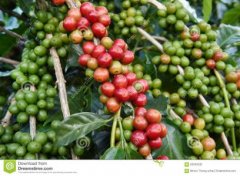
Elegant fruit acids Tanzania fine coffee beans cultivation geographical location climate altitude profile
Tanzanian coffee is often washed, and coffee farmers will send the coffee fruit to the nearest processing plant for processing after picking. The washing method comprises the following steps: firstly, screening and removing impurities doped in coffee fruits; then removing coffee pulp and pericarp; sending the coffee fruits into a fermentation tank; removing pectin layer adhered to the pericarp through fermentation; and cleaning.

A different style of African Coffee: the Story of the Coffee producing area of Mount Kilimanjaro, Tanzania
Professional coffee knowledge exchange more coffee bean information please follow the coffee workshop (Wechat official account cafe_style) mention the coffee-producing regions in Africa, which countries do you think of? Is Ethiopia the earliest birthplace of coffee? Is Kenya famous for its sour coffee? Or Rwanda, which is famous for the floral and fruity aromas of coffee? The editor does not intend to introduce the above information in this article.

Introduction to the characteristics of the rich and refreshing Kilimanjaro coffee flavor manor manor in Tanzania
Coffee is one of the main cash crops in Tanzania, ranking fourth after cotton, tobacco and cashew nuts, mainly sold to Italy, Japan and the United States. Coffee exports play an important role in the national economy of Tanzania. Tanzania's main coffee producing area is located at the foot of Mount Kilimanjaro, which is rich in volcanic soil and coffee trees planted here.

Introduction to the smooth and gentle Tanzania boutique Kilimanjaro Coffee Kilimanjaro Mountain Fire area
Tanzanian coffee is mostly washed. After picking, coffee farmers will send the coffee fruit to the nearest processing plant for processing. The treatment step of the water washing method is to screen and remove the impurities in the coffee fruit, then remove the coffee pulp and exocarp, send it into the fermentation tank, and remove the pectin layer from the inner pericarp by fermentation. Clean

Coffee Gentleman-Coffee Culture in Tanzania
Coffee beans in Tanzania are of extraordinary quality. They are produced in the Mohi district near Mount Kilimanjaro. The mountains with a height of 3,000 to 6,000 feet are the most suitable areas for growing coffee. The fertile volcanic ash gives the coffee here a strong texture and soft acidity. It exudes a delicate fragrance and contains aromas of wine and fruit.

Introduction to the flavor and taste characteristics of Kilimanjaro coffee of Tanzania boutique coffee
Tanzanian coffee is mostly washed. After picking, coffee farmers will send the coffee fruit to the nearest processing plant for processing. The treatment step of the water washing method is to screen and remove the impurities in the coffee fruit, then remove the coffee pulp and exocarp, send it into the fermentation tank, and remove the pectin layer from the inner pericarp by fermentation. Clean

Introduction to the varieties and characteristics of the coffee manor in Tanzania with dark chocolate charm
The rainfall types of coffee networks in China can be divided into bimodal distribution and unimodal distribution. The areas with double bee rainfall include the provinces around the Lake Victoria basin, the northeast highlands, the coastal and inland northeastern. The bimodal rainfall area is characterized by two rainy seasons. The short rainy season occurs from September to December, and the total rainfall can reach 200-500 mm. The long rainy season occurs from March to May.

Introduction to the characteristics of coffee flavor and taste of Arusha Coffee Manor in Tanzania
The types of rainfall can be divided into bimodal distribution and unimodal distribution. The areas with double bee rainfall include the provinces around the Lake Victoria basin, the northeast highlands, the coastal and inland northeastern. The bimodal rainfall area is characterized by two rainy seasons. The short rainy season occurs from September to December. The total rainfall can reach 200-500 mm. The long rainy season occurs from March to May.

Introduction of coffee culture and growing environment in Tanzania!
Coffee beans in Tanzania are of extraordinary quality. They are produced in the Mohi district near Mount Kilimanjaro. The mountains with a height of 3,000 to 6,000 feet are the most suitable areas for growing coffee. The fertile volcanic ash gives the coffee here a strong texture and soft acidity. It exudes a delicate fragrance and contains aromas of wine and fruit.

An introduction to coffee culture in Tanzania
Follow the caf é (official Wechat account vdailycom) and found that the coffee beans of Tanzania, which opened a small shop of its own, are of remarkable quality and are produced in the Mohi district near Mount Kilimanjaro. The mountain area with a height of 3, 000 to 6, 000 feet is the most suitable area for growing coffee. The fertile volcanic ash gives the coffee strong texture and soft acidity.

Flavor and taste of coffee manor in Tanzania introduce the characteristics of coffee beans in Tanzania
Tanzania is also often compared with its nearest neighbor Kenya. It is said that the earliest Arabica coffee in Tanzania was introduced by Christians from Kenya and is similar to Kenya in flavor characteristics. With grapefruit aromas and soft and bright acidity. However, because the economic conditions of Tanzania are worse than those of Kenya, the production conditions are poor. Tanzania is concerned about quality.

A Brief Introduction to the Treatment Method of Grinding Degree and Roasting Degree of Tanzania Fine Coffee Beans with Strong Aroma
The important producing area is in the mountainous area close to Kenya in the north. Coffee farmers grow coffee 85%. Local coffee farmers grow coffee between 1300-2000m above sea level. Its coffee flavor is different from that of neighboring Ethiopia and Kenya. He has the characteristics of both countries. The body thickness is good and the aroma of fruit and flowers is worth a try. Coffee belongs to dicotyledonous plants, generally a coffee cherry

Introduction of high-quality coffee beans in Tanzania coffee flavor and taste areas treated with water
Tanzanian coffee is mostly washed. After picking, coffee farmers will send the coffee fruit to the nearest processing plant for processing. The treatment step of the water washing method is to screen and remove the impurities in the coffee fruit, then remove the coffee pulp and exocarp, send it into the fermentation tank, and remove the pectin layer from the inner pericarp by fermentation. Clean

A brief introduction to the History and Culture of the Origin and Development of the aromatic Coffee Manor in Arusha, Tanzania
It is said that the earliest Arabica coffee in Tanzania was introduced by Christians from Kenya and is similar to Kenya in flavor characteristics. With grapefruit aromas and soft and bright acidity. However, because the economic conditions of Tanzania are worse than those of Kenya, the production conditions are poor. Tanzania's quality control is not strict enough, which destroys the coffee in many processing links.

Excellent taste of Arusha coffee estate in Tanzania. Flavor characteristics
The Tanzanian flag is rectangular in shape and has a length to width ratio of 3:2. The flag is composed of green, blue, black and yellow. The upper left and lower right are two equal right triangles of green and blue. The black wide strip with yellow edge runs obliquely from the lower left corner to the upper right corner. Green represents land and Islam; blue represents rivers, lakes and seas; black represents African blacks

The production area of single bean in Tanzania introduces how to brew single bean in Tanzania.
Communication of professional baristas Please pay attention to Coffee Workshop (Wechat official account cafe_style) due to political instability, coupled with rampant diseases and insect pests, the coffee industry in Tanzania has been damaged, leading to a decline in the overall level of coffee and instability in quality, which in turn lead to lower prices, which are usually the result of a further decline in the coffee industry. What's more worth mentioning is that it is estimated